Showing posts with label arts as activism. Show all posts

Saturday, 25 October 2014

Art for Social Change: A personal tale

In February 2005, I was invited  to work in the north of Sri Lanka with orphans and victims of the tsunami and twenty year war. My goal to was find way of creating art and rituals with them, that would offer ways to make sense of their experiences and to rebuild their community. During my five weeks as a guest of Tamil nuns I engaged with approximately 1000 women, children and men who had lost their families, homes and hope when the tsunami hit.


The Tamils say the Tsunami (26 December 2004) is the second disaster for them, the first being the civil war.

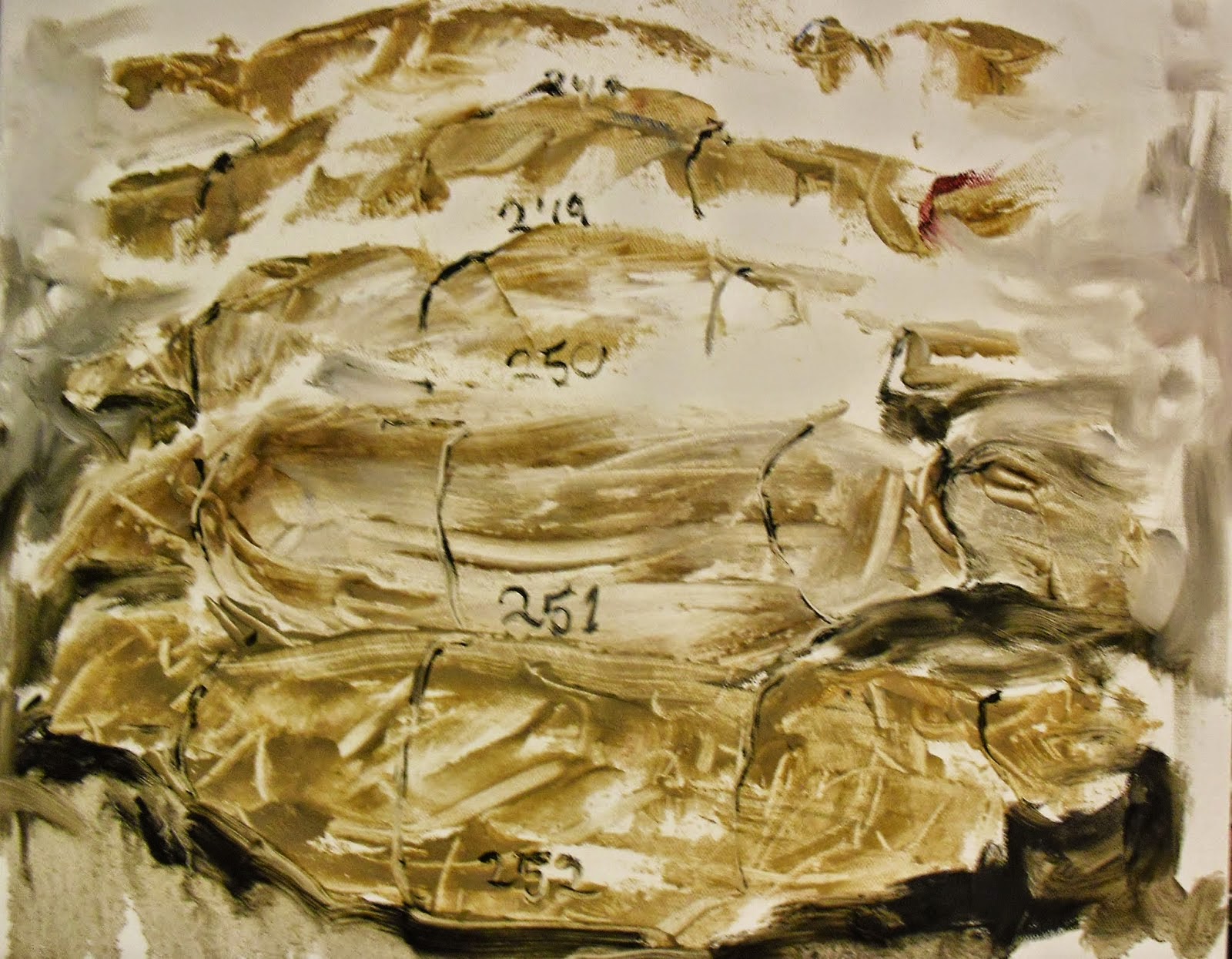
While there, I visited Mulliativu, a town on the Jaffna Peninsula in which 5,000 of the 25,000 souls were taken by the sea. Many of the women and nuns, who offered support and counsel to those survivors, created works of art that reflected their own personal narrative of loss.


In 2009, I was invited to submit a poem to a website that was raising awareness about global warming. My response was inspired by the painting (above) and by my experience so soon after the tsunami as it is believed that human induced global warming causes extremes and frequency in weather events such as tsunamis and flooding and continues to devastate people's loves throughout the globe.

Oh green, lush Sri Lanka -
"Teardrop of India" -
the world weeps for you, and leaves
unwanted salt-water tears
to flush away memories.

Such betrayal from Mother Ocean.
Once nurturing and generous,
a deep rumbling within her womb,
angered her to rise and lash out at your people,
for whom loss is not foreign.

Surviving Fisher-folk!
Cast your nets around her waist,
hold tightly for fear of being lost
and wail for those bodies held
deep within her grasp.    

©Sarah Dobbs 2009


Thursday, 9 October 2014

Cycles of Art and Healing

I just came across a blog titled Warscapes There is an article by Melissa Smyth entitled "Cycles of Art and Healing by Syrian Refugees" in which she takes us through the experience of a young Syrian artist, Soulaf Abas , who is working with Syrian refugees along the border of Jordan.


She listens to their stories and records them through paintings and drawings (as above). In doing so she is acting as witness to the refugees broken narratives, giving them a voice, and allowing them to move beyond the silence of their suffering.

Monday, 29 September 2014

Art and Disease

Jacqueline Firkins, at University of British Columbia is involved in an interdepartmental research project "Fashioning Cancer: The Correlation between Destruction and Beauty". She designed a series of dresses that use images of growing cancer cells as the base for her fabric design. The project culminated in an auction during which the dresses were sold to raise funds for cancer research.


This is another example of using the arts to raise awareness and shift perceptions.


The Web of Peace

The web that shows our connections to one another
(Kibera Slum, Nairobi Kenya 2013)
It is astonishing to me how when we share an experience, a techniques, a story, or ourselves with someone, it can have a ripple effect that spreads far and wide. Such is the nature of peace-building.

Recently I presented my research at the International Peace Research Conference in Istanbul - you can have a look at that on my last post. What I wrote for publication and how I present my research findings are so different. When presenting I get caught up in the experiences I have had and tend to omit the references and academic jargon that is so appropriate for academic paper.

While I was at the conference, to show how we are all connected I led an activity in which we created a web - different strands of coloured raffia, held by individuals who shared their narrative and found connections with one another.  I had used this method in Kenya, both as a means of intercultural communication and to build relationships and communities that had been severed because of conflict and violence. Although I personalized the technique, I was originally been inspired to use such a technique through the work of Jennifer Ball and Carolyn Webb.

Rebecca Rovitt, Associate Professor in Theatre at University of Kansas Lawrence complimented me by using this interactive tool during her first meeting with theatre students Script Analysis class.

Thursday, 9 January 2014

Photography, Truth and Constructed Narrative

My last post focused on the works of Rebecca Belmore, while one of my first posts was on Lily Yeh Both artists recognize the the power of art to create the foundations toward social change. Social change can begin merely by the simple awareness of oppression, prejudices, barriers and hierarchies. Raising our consciouness is the beginning and the hope is that once we are more cognizant of the need for change, we will be moved to action. Taryn Simon, provides another example in the ways in which women are acting as activists advocating for social change of many kinds. She brings into question if what we see, what we are told is real and, if it isn't real, if it is constructed or a fabrication, then what do we do?

An American photographer, she has exhibited at the Tate Modern in London, at the Venice Biennale and at the Museum of Modern Art in New York to name a few. Through her images and narratives, she awakens our curiosity about what is real in photography and narrative; what is fact and what is constructed fiction. In the following TED talk she shares two projects: one documents otherworldly locations typically kept secret from the public, the other involves haunting portraits of men convicted for crimes they did not commit.